

The History of Patagonia: A Land of Wind, Ice and Endless Horizons
Patagonia is one of the world's last great wildernesses. Stretching across southern Chile and Argentina, this spectacular region is famous for its towering granite peaks, immense glaciers, turquoise lakes, ancient forests, and vast steppes. Every year, thousands of travelers visit Patagonia to experience iconic destinations such as Torres del Paine National Park, Los Glaciares National Park, Tierra del Fuego, and Cape Horn.
Yet Patagonia's breathtaking landscapes tell only part of its story. Behind its natural beauty lies a rich and often dramatic history that spans more than 13,000 years. Indigenous cultures, European explorers, scientific expeditions, pioneers, sheep farmers, gold seekers, missionaries, conservationists, and modern travelers have all shaped this remarkable region.
As a professional tour guide in Chile, I enjoy sharing Patagonia's fascinating history with visitors because understanding the past makes every landscape even more meaningful.
Where Does the Name Patagonia Come From?
The name Patagonia dates back to the voyage of Ferdinand Magellan in 1520.
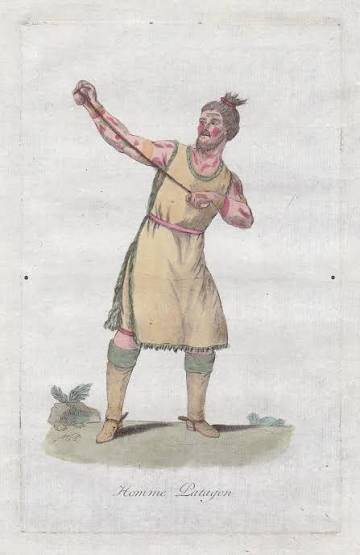
When Magellan's expedition reached the Atlantic coast of southern South America, his crew encountered unusually tall indigenous people. One member of the expedition, Antonio Pigafetta, described them as giants.
Magellan reportedly called them "Patagón."
The exact origin of the word remains uncertain.
Several theories exist:
- it may have referred to a giant character from a popular Spanish novel of the time;
- it may have meant "large feet";
- or it simply reflected the Europeans' impression of the exceptionally tall Tehuelche people.
Although the myth of giants was exaggerated, the name Patagonia remained and eventually became the official designation for the vast southern region.
The First People of Patagonia
Archaeological discoveries show that humans reached Patagonia at least 13,000 years ago, shortly after the end of the last Ice Age.
Some of the oldest archaeological sites include:
- Monte Verde (southern Chile)
- Cueva Fell
- Pali Aike
- Cueva de las Manos (Argentina)
These early hunter-gatherers followed herds of guanacos and hunted with stone-tipped spears.
They adapted remarkably well to one of the harshest climates on Earth.
Indigenous Cultures of Patagonia
For thousands of years Patagonia was home to several indigenous peoples, each perfectly adapted to their unique environments.
The Tehuelche (Aonikenk)
The Tehuelche inhabited the vast Patagonian steppe.
They lived as nomadic hunters, following guanaco migrations throughout the seasons.
Their survival depended on:
- guanacos
- rheas
- foxes
- edible plants
- stone tools
European visitors were impressed by their height, with many men exceeding 1.80 meters—a remarkable stature for the sixteenth century.
The Selk'nam (Ona)
The Selk'nam lived on Tierra del Fuego.
They were skilled hunters who depended largely on guanacos.
One of their most fascinating traditions was the Hain ceremony, an initiation ritual featuring elaborate body painting and masks.
Sadly, the Selk'nam population was nearly exterminated during the nineteenth century.
The Yaghan (Yámana)
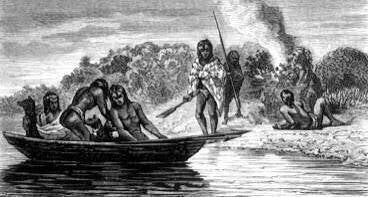
Unlike the inland hunters, the Yaghan were expert canoe people.
Living along the Beagle Channel, they traveled almost exclusively by canoe.
They hunted:
- seals
- sea lions
- fish
- shellfish
Despite freezing temperatures, they wore very little clothing and relied on constant fires and thick layers of body fat for warmth.
European explorers were astonished by their adaptation to such an extreme environment.
The Kawésqar
The Kawésqar inhabited Chile's fjords and islands.
Like the Yaghan, they lived primarily from the sea.
Their deep knowledge of tides, channels, and weather allowed them to navigate one of the world's most complex coastlines long before modern maps existed.
European Exploration Begins
Patagonia entered European maps during the great age of exploration.
Important explorers included:
Ferdinand Magellan (1520)
Magellan discovered the strait that now bears his name.
His expedition became the first to sail from the Atlantic into the Pacific Ocean through southern South America.
Francis Drake
In 1578, the English navigator sailed through the region during his circumnavigation of the world.
His voyage demonstrated that Spanish control over southern South America was far from secure.
Dutch and British Explorers
Throughout the seventeenth and eighteenth centuries, numerous expeditions mapped Patagonia's coasts.
Cape Horn became one of the world's most feared sailing routes.
Charles Darwin and HMS Beagle
One of Patagonia's most famous visitors was Charles Darwin.
Between 1832 and 1834, Darwin explored large parts of Patagonia while sailing aboard HMS Beagle under Captain Robert FitzRoy.
Darwin studied:
- fossils
- geology
- wildlife
- glaciers
- indigenous peoples
His observations helped shape the scientific ideas that later led to his groundbreaking theory of evolution.
Many locations visited by Darwin remain popular destinations today.
Patagonia During the Colonial Era
Unlike central Chile or Peru, Patagonia remained largely outside Spanish colonial control.
The reasons included:
- enormous distances
- harsh weather
- difficult terrain
- resistance by indigenous peoples
- limited economic incentives
Permanent European settlements were few until the nineteenth century.
The Colonization of Patagonia
Following the independence of Chile and Argentina, both countries sought to establish sovereignty over Patagonia.
Government policies encouraged European immigration.
Settlers arrived from:
- Germany
- Wales
- Croatia
- Scotland
- Switzerland
- Italy
Large sheep ranches, known as estancias, transformed much of the Patagonian steppe.
Wool became one of Patagonia's most important exports.
The Sheep Farming Boom
By the late nineteenth century Patagonia had become one of the world's major wool-producing regions.
Huge estancias covered thousands of square kilometers.
Some ranches managed over 100,000 sheep.
Cities such as:
- Punta Arenas
- Puerto Natales
- Río Gallegos
prospered thanks to the wool industry.
Many elegant mansions built during this period can still be admired today.
The Gold Rush
Small gold discoveries attracted prospectors to Tierra del Fuego during the late nineteenth century.
Although some fortunes were made, most miners found little success.
The gold rush nevertheless accelerated settlement in southern Patagonia.
A Tragic Chapter: The Decline of Indigenous Peoples
European settlement brought devastating consequences.
Indigenous communities suffered from:
- introduced diseases
- loss of hunting grounds
- forced displacement
- violent conflicts
- cultural destruction
The Selk'nam experienced one of the greatest tragedies in South American history.
During the sheep farming expansion, many were deliberately hunted and killed.
Today, museums and memorials help preserve the memory of these cultures.
National Parks and Conservation
During the twentieth century Patagonia increasingly became recognized as one of Earth's greatest natural treasures.
Major protected areas include:
- Torres del Paine National Park
- Bernardo O'Higgins National Park
- Pumalín National Park
- Patagonia National Park
- Los Glaciares National Park
- Tierra del Fuego National Park
Conservation efforts have protected:
- glaciers
- forests
- pumas
- guanacos
- Andean condors
- wetlands
- fjords
The work of conservationists, including Douglas and Kristine Tompkins, has played a major role in expanding protected landscapes across Chilean Patagonia.
Patagonia Today
Modern Patagonia combines spectacular wilderness with growing tourism.
Visitors come for:
- trekking
- glacier hiking
- wildlife watching
- photography
- kayaking
- horseback riding
- scenic cruises
- cultural experiences
The region remains sparsely populated, allowing travelers to experience landscapes that have changed little for thousands of years.
Historic estancias, museums, indigenous heritage sites, and national parks together tell the remarkable story of Patagonia.
Patagonia Through the Eyes of a Tour Guide
Guiding visitors through Patagonia means much more than pointing out mountains and glaciers.
Every landscape reflects thousands of years of history.
When standing beneath the granite towers of Torres del Paine, sailing through the fjords near Puerto Natales, or watching guanacos cross the steppe, it is impossible not to think about the indigenous hunters, European explorers, pioneering settlers, and conservationists who shaped this extraordinary region.
Understanding Patagonia's history transforms a beautiful journey into an unforgettable experience.
Frequently Asked Questions (FAQ)
How old is human history in Patagonia?
Archaeological evidence indicates that humans have lived in Patagonia for at least 13,000 years.
Why is Patagonia called Patagonia?
The name dates back to Ferdinand Magellan's expedition in 1520 and likely derives from the word "Patagón," used to describe the region's indigenous inhabitants.
Who were the original inhabitants of Patagonia?
Major indigenous groups included the Tehuelche (Aonikenk), Selk'nam, Yaghan (Yámana), and Kawésqar, each adapted to different environments across Patagonia.
Did Charles Darwin visit Patagonia?
Yes. Charles Darwin explored Patagonia between 1832 and 1834 aboard HMS Beagle, making observations that later contributed to his theory of evolution.
Why is Patagonia famous today?
Patagonia is renowned for its dramatic landscapes, glaciers, mountains, national parks, wildlife, and outstanding opportunities for trekking, photography, and nature tourism.
Add comment
Comments