

The History of the Mapuche in Chile
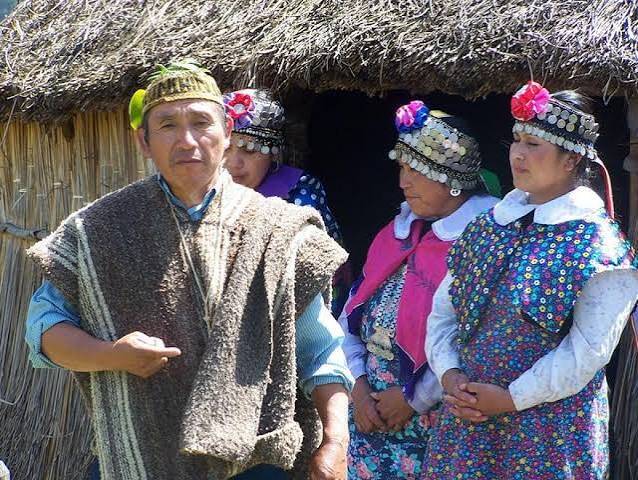
The Mapuche are the largest Indigenous people in Chile and one of South America's most resilient cultures. For centuries, they successfully defended their homeland against two of history's greatest empires—the Inca Empire and the Spanish Crown. Their remarkable resistance, deep spiritual beliefs, rich traditions, and enduring cultural identity continue to shape Chile today.
For travelers exploring Chile, understanding the history of the Mapuche provides valuable insight into the country's cultural heritage. From the forests of La Araucanía to the shores of the Biobío River and the lakes of southern Chile, Mapuche history is woven into the landscapes visitors experience.
As a professional tour guide in Chile, I often explain that Chile's history cannot be understood without learning about the Mapuche people and their centuries-long struggle to preserve their land, language, and identity.
Who Are the Mapuche?
The word Mapuche comes from the Mapudungun language:
- Mapu = Land or Earth
- Che = People
Together, Mapuche means "People of the Land."
Today, more than 1.7 million people in Chile identify as Mapuche, making them the country's largest Indigenous community. Significant Mapuche populations also live in Argentina, particularly in the provinces of Neuquén, Río Negro, and Chubut.
The Origins of the Mapuche
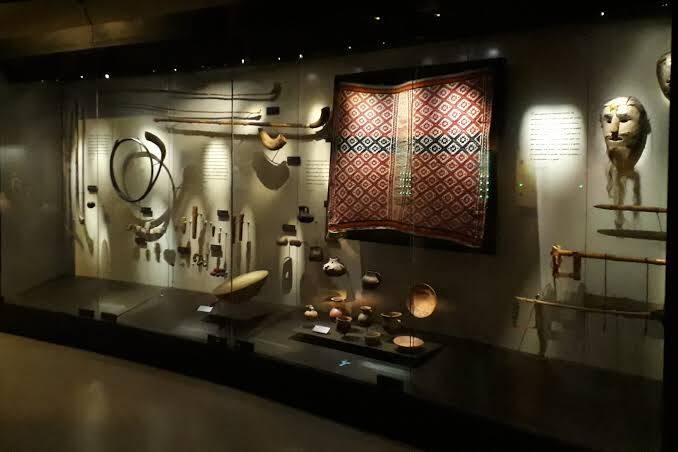
The exact origins of the Mapuche remain a subject of archaeological and linguistic research. Most scholars believe that the ancestors of the Mapuche developed their culture in south-central Chile thousands of years ago.
Unlike the great civilizations of Peru and Mesoamerica, the Mapuche did not build monumental stone cities. Instead, they developed a society that was closely connected to nature, based on agriculture, hunting, gathering, fishing, and trade.
They cultivated crops such as:
- Maize
- Potatoes
- Quinoa
- Beans
- Squash
- Chili peppers
Their villages consisted of family groups living in traditional wooden houses known as rucas.
The Mapuche Before the Inca Empire
Before the arrival of the Inca in the 15th century, the Mapuche occupied a vast territory extending from the Aconcagua Valley in central Chile to Chiloé Island in the south.
The Mapuche were not a centralized kingdom. Instead, they lived in independent communities led by local chiefs known as lonkos.
Despite their political independence, neighboring communities united whenever they faced external threats.
The Mapuche and the Inca Empire
Around the late 15th century, the Inca Empire expanded southward from present-day Peru into northern and central Chile.
The Inca conquered many peoples north of the Maule River, but when they attempted to move farther south, they encountered fierce resistance from the Mapuche.
The Battle of the Maule, traditionally dated to the late 15th century, is considered one of the most significant confrontations between the Inca and the Mapuche. According to historical tradition, neither side achieved a decisive victory, and the Inca expansion effectively stopped near the Maule River.
Although some cultural exchange occurred through trade, the Mapuche remained politically independent.
The Arrival of the Spanish
In 1541, Spanish conquistador Pedro de Valdivia founded Santiago and began expanding southward.
Initially, the Spanish expected the Mapuche to submit as many Indigenous peoples elsewhere had done.
Instead, they encountered determined resistance.
The conflict that followed became known as the Arauco War, one of the longest wars in world history.
Lautaro: The Legendary Mapuche Leader
One of the greatest heroes in Chilean history is Lautaro.
As a young man, Lautaro served as a stable boy for Pedro de Valdivia, where he learned Spanish military tactics and horsemanship.
After escaping, he united Mapuche warriors and revolutionized their military strategy by training cavalry units and adapting European techniques.
In 1553, Lautaro defeated the Spanish at the Battle of Tucapel, where Pedro de Valdivia was captured and killed.
Today, Lautaro is celebrated throughout Chile as a symbol of courage, leadership, and Indigenous resistance.
The Arauco War
The Arauco War lasted for more than 300 years, from the mid-16th century until the early 19th century.
Unlike many Indigenous peoples of the Americas, the Mapuche successfully prevented complete Spanish conquest.
Key reasons for their success included:
- Excellent knowledge of local geography
- Highly mobile military tactics
- Strong leadership
- Flexible alliances between communities
- Determination to defend their independence
For centuries, the Biobío River became the de facto frontier between Spanish-controlled territory and Mapuche lands.
Mapuche Society and Culture
Traditional Mapuche society was organized around extended families.
Leadership roles included:
- Lonko – community leader
- Machi – spiritual healer and religious authority
- Werken – messenger and diplomat
- Toqui – military leader during times of war
This flexible social organization allowed communities to respond effectively to changing circumstances.
Mapuche Spirituality
Mapuche spirituality emphasizes harmony between people, nature, and the spiritual world.
Nature is considered sacred, with mountains, rivers, forests, and lakes possessing spiritual significance.
The Machi plays an essential role by:
- Performing healing ceremonies
- Interpreting dreams
- Preserving traditional medicine
- Leading religious rituals
One of the most important ceremonies is the Nguillatún, a communal gathering of prayer, music, dance, and thanksgiving for balance, health, and prosperity.
The Mapudungun Language
The Mapuche language is known as Mapudungun, meaning "the language of the land."
Although many Mapuche now speak Spanish as their first language, efforts to revitalize Mapudungun have grown in recent decades through schools, cultural organizations, and community programs.
Preserving the language is considered essential for maintaining Mapuche identity and transmitting traditional knowledge.
The Occupation of Araucanía
Following Chile's independence in the 19th century, the government sought to incorporate Mapuche territory into the national state.
Between 1861 and 1883, the military campaign known as the Occupation of Araucanía resulted in the annexation of Mapuche lands.
Large areas were redistributed to Chilean settlers and European immigrants, particularly from Germany, Switzerland, and Italy.
Many Mapuche communities were relocated to much smaller reservations, profoundly changing their traditional way of life.
This period remains one of the most significant and debated chapters in Chilean history.
The Mapuche in Modern Chile
Today, the Mapuche continue to play an important role in Chilean society.
Many communities are actively engaged in:
- Cultural preservation
- Language revitalization
- Traditional arts and crafts
- Sustainable tourism
- Education
- Environmental protection
At the same time, debates continue over land rights, political representation, and the recognition of Indigenous peoples within the Chilean state. These issues remain the subject of public discussion, legal processes, and political debate.
Mapuche Culture and Tourism
Visitors to southern Chile can experience Mapuche culture through respectful, community-based tourism.
Popular destinations include:
- Temuco
- Villarrica
- Pucón
- Lake Budi
- Cañete
- Tirúa
- Nahuelbuta National Park
Many Mapuche families offer:
- Traditional meals
- Guided cultural experiences
- Craft workshops
- Herbal medicine demonstrations
- Storytelling
- Music and dance performances
Responsible tourism helps support local communities while giving visitors a deeper understanding of Chile's Indigenous heritage.
The Legacy of the Mapuche
The history of the Mapuche is a story of resilience, adaptation, and cultural continuity.
For centuries, they defended their homeland against powerful empires while preserving their traditions, language, and spiritual beliefs. Today, their influence can be seen throughout Chile—in place names, cuisine, music, art, environmental knowledge, and national identity.
Learning about the Mapuche enriches every journey through southern Chile, revealing that the country's history is not only one of colonization and independence, but also of Indigenous perseverance and living cultural traditions.
Frequently Asked Questions (FAQ)
What does the word "Mapuche" mean?
It means "People of the Land," from the Mapudungun words mapu (land) and che (people).
Did the Mapuche defeat the Inca Empire?
The Mapuche successfully resisted further Inca expansion beyond the Maule River. While historians debate the details of the Battle of the Maule, the Inca did not establish lasting control over Mapuche territory.
Why are the Mapuche famous?
The Mapuche are renowned for resisting both the Inca Empire and the Spanish Crown, preserving their cultural identity, and remaining Chile's largest Indigenous people.
Who was Lautaro?
Lautaro was a Mapuche military leader who defeated the Spanish conquistador Pedro de Valdivia in 1553 and became one of Chile's most celebrated historical figures.
Where do the Mapuche live today?
Most Mapuche live in south-central Chile, particularly in the regions of La Araucanía, Biobío, Los Ríos, and Los Lagos, with additional communities in Argentina.
Add comment
Comments