

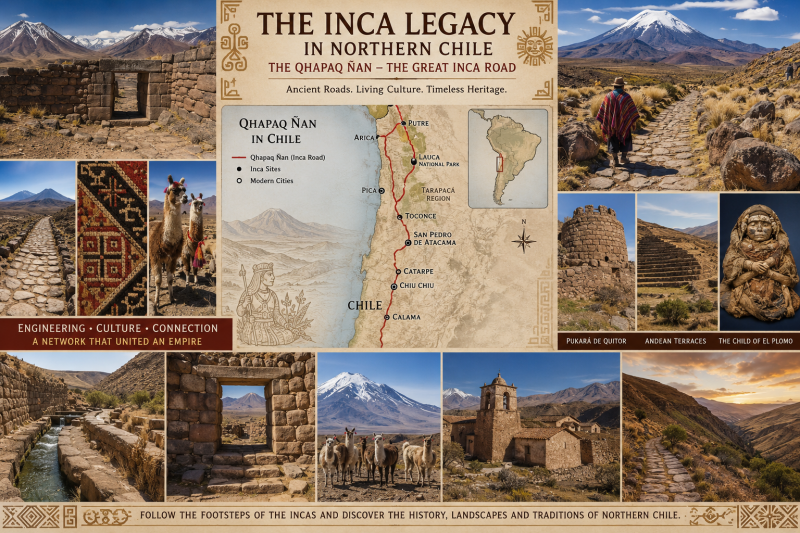
The Inca Empire in Northern Chile: A Journey Along the Legendary Qhapaq Ñan
When travelers think about the Inca Empire, they usually imagine Machu Picchu in Peru. Yet few realize that the empire stretched far into present-day Northern Chile, leaving behind an extraordinary network of roads, fortresses, ceremonial sites, and cultural traditions that can still be explored today.
One of the greatest legacies of the Incas is the Qhapaq Ñan, also known as the Great Inca Road System. This remarkable engineering achievement connected thousands of kilometers across the Andes and played a vital role in administration, trade, military movements, and religious ceremonies.
Today, Northern Chile offers visitors the chance to discover authentic Inca history away from the crowds, surrounded by breathtaking deserts, volcanoes, and indigenous cultures.
The Expansion of the Inca Empire into Chile
The Inca Empire, known as Tawantinsuyu, reached its greatest extent during the 15th century under Emperor Topa Inca Yupanqui and later Huayna Capac.
Its southern frontier extended into modern-day Chile, reaching approximately the Maule River, although effective political control was strongest in the northern regions.
The Incas incorporated local peoples including the:
- Atacameños (Likan Antai)
- Diaguita
- Aymara
- Quechua communities
Rather than simply conquering these cultures, the Incas often integrated them into their administrative system while introducing new agricultural methods, architecture, engineering, religion, and language.
What Is the Qhapaq Ñan?
The Qhapaq Ñan means "Great Royal Road" in Quechua.
It was one of the world's greatest road systems before the arrival of Europeans.
The network stretched over 30,000 kilometers (18,600 miles) through:
- Peru
- Ecuador
- Bolivia
- Argentina
- Colombia
- Chile
In 2014, the Qhapaq Ñan was designated a UNESCO World Heritage Site, recognizing its outstanding historical and cultural significance.
The roads crossed:
- the Atacama Desert
- high Andean passes
- salt flats
- valleys
- mountain peaks exceeding 5,000 meters
Many sections remain surprisingly well preserved.
Why Was the Qhapaq Ñan So Important?
The road system served many purposes.
Administration
Government officials could rapidly travel between provinces.
Trade
Goods such as:
- maize
- potatoes
- llama wool
- metals
- textiles
- shells
were transported across the empire.
Military
The Inca army could quickly reach distant regions.
Communication
Highly trained runners known as Chasquis carried messages across the empire using relay stations.
Religion
Pilgrimages connected sacred mountains, temples, and ceremonial centers.
Inca Archaeological Sites in Northern Chile
Northern Chile preserves some of the southernmost archaeological remains of the Inca civilization.
San Pedro de Atacama
San Pedro de Atacama became an important administrative and commercial center under Inca rule.
Today visitors can explore nearby archaeological sites while learning about the fascinating interaction between the Incas and the indigenous Likan Antai people.
Pukará de Quitor
Although originally constructed before the arrival of the Incas, this impressive hilltop fortress later became integrated into the Inca defensive network.
Visitors enjoy panoramic views over the Atacama oasis while discovering centuries of history.
Cerro El Plomo
Near Santiago stands one of the most sacred Inca ceremonial mountains.
The famous Child of El Plomo, discovered in 1954, represents one of the best-preserved examples of an Inca Capacochaceremonial offering.
The mummy is now displayed in Santiago's National Museum of Natural History.
Tambos Along the Qhapaq Ñan
Travelers can still visit ancient Tambos, roadside stations where officials, soldiers, merchants, and Chasquis rested during long journeys.
These structures demonstrate the sophisticated organization of the Inca Empire.
The Incas and Indigenous Cultures
Unlike many ancient empires, the Incas often adapted existing settlements instead of replacing them.
Northern Chile became a meeting point of cultures where traditions blended over generations.
The influence of the Incas can still be seen in:
- agricultural terraces
- irrigation canals
- pottery
- weaving
- religious traditions
- festivals
- Quechua vocabulary
- architecture
Many local communities continue to preserve these traditions today.
Engineering Across the Atacama Desert
Building roads across the world's driest desert required extraordinary engineering.
The Incas developed routes that crossed:
- volcanic landscapes
- steep mountain passes
- rivers
- salt flats
- barren plateaus
Stone pavements, retaining walls, drainage systems, stairways, and bridges allowed travelers to move safely through difficult terrain.
Many of these structures have survived for more than 500 years.
The UNESCO World Heritage Route
Several sections of the Chilean Qhapaq Ñan are protected as part of the UNESCO World Heritage designation.
Walking these ancient paths offers visitors an unforgettable experience while highlighting the importance of preserving South America's cultural heritage.
Unlike Peru's famous Inca Trail, many Chilean sections remain peaceful and largely undiscovered.
Visiting the Qhapaq Ñan Today
Travelers interested in archaeology, history, and hiking can include several Inca-related destinations in Northern Chile:
- San Pedro de Atacama
- Catarpe
- Pukará de Quitor
- Lasana
- Chiu Chiu
- Caspana
- Toconce
- Socaire
- Putre
- Lauca National Park
Many guided tours combine archaeological sites with spectacular natural landscapes including volcanoes, flamingo lagoons, geysers, and salt flats.
Tips for Responsible Travel
When exploring Inca archaeological sites:
- Stay on marked trails.
- Never remove stones or artifacts.
- Respect sacred places.
- Support local indigenous communities.
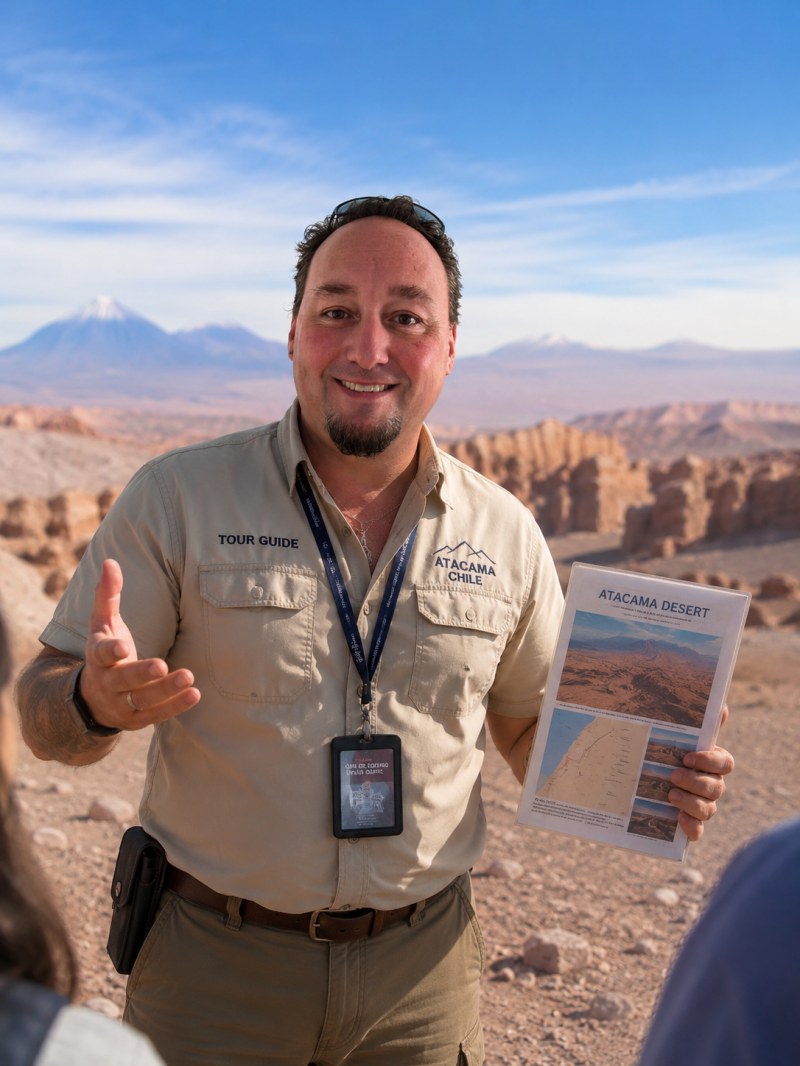
- Hire certified local guides whenever possible.
- Carry sufficient water and sun protection in the Atacama Desert.
Responsible tourism helps preserve these remarkable sites for future generations.
Why the Inca Legacy Matters Today
The influence of the Inca Empire remains deeply embedded in Northern Chile's cultural identity.
Ancient roads still connect remote villages, agricultural traditions continue in Andean communities, and archaeological discoveries reveal new insights into one of history's greatest civilizations.
For travelers seeking experiences beyond the classic tourist routes, the Qhapaq Ñan offers an extraordinary journey through living history.
Walking along these ancient roads is not only a journey across spectacular landscapes but also a journey back more than 500 years into the heart of the Inca world.
Frequently Asked Questions (FAQ)
Did the Incas rule all of Chile?
No. The Inca Empire controlled mainly Northern Chile, with its southern frontier reaching approximately the Maule River. Their strongest influence remained in the northern Andean regions.
What does Qhapaq Ñan mean?
Qhapaq Ñan is a Quechua phrase meaning "Great Royal Road" and refers to the vast transportation network built by the Inca Empire.
Is the Qhapaq Ñan in Chile a UNESCO World Heritage Site?
Yes. The Qhapaq Ñan was inscribed as a UNESCO World Heritage Site in 2014. Chile is one of the six countries through which this remarkable road network passes.
Can tourists visit the Inca roads in Chile?
Yes. Many sections of the Qhapaq Ñan and numerous archaeological sites can be visited, especially around San Pedro de Atacama, Putre, and Lauca National Park.
Conclusion
Northern Chile is far more than the Atacama Desert—it is a land where the legacy of the Inca Empire still shapes the landscape, culture, and identity of its people. The ancient Qhapaq Ñan continues to tell the story of one of the world's greatest civilizations, inviting modern travelers to follow paths once walked by emperors, messengers, traders, and pilgrims.
Whether you are passionate about archaeology, history, hiking, or authentic cultural experiences, exploring the Inca heritage of Northern Chile offers an unforgettable journey into the heart of the Andes.
Add comment
Comments