

English-Speaking Immigrants in Chile: Their History, Legacy, and Influence
Chile is often associated with Spanish colonial history and later waves of German, Croatian, Italian, and Palestinian immigration. However, one of the country's most significant international influences came from English-speaking immigrants, particularly from Great Britain, but also from the United States, Canada, Australia, and New Zealand.
During the nineteenth and early twentieth centuries, British engineers, merchants, sailors, miners, teachers, and entrepreneurs played an important role in Chile's economic modernization. Their influence can still be seen today in the country's ports, railways, mining industry, architecture, education, sports, and business culture.
For visitors traveling through Chile, traces of this English-speaking heritage are visible from the colorful hills of Valparaíso to the coal mines of Lota, the nitrate towns of the Atacama Desert, and the elegant neighborhoods of Santiago.
As a professional tour guide in Chile, I often introduce travelers to this lesser-known chapter of Chilean history, revealing how English-speaking communities helped shape the country while also becoming part of Chilean society.
Why Did English-Speaking Immigrants Come to Chile?
Following Chile's independence in 1818, the young republic sought foreign investment, technical expertise, and international trade.
At the same time, Britain had become the world's leading industrial and maritime power.
Chile offered attractive opportunities in:
- Mining
- International trade
- Shipping
- Banking
- Railways
- Agriculture
- Engineering
- Education
Many British citizens settled permanently, while others remained for several years before returning home.
Smaller numbers of immigrants from the United States, Canada, Australia, and New Zealand also arrived, particularly during periods of mining expansion and commercial development.
The British Community in Chile
The largest English-speaking immigrant group came from the United Kingdom, including people from:
- England
- Scotland
- Wales
- Ireland (then part of the United Kingdom)
By the late nineteenth century, Chile had one of the largest British communities on the Pacific coast of South America.
British residents established:
- Commercial companies
- Shipping agencies
- Banks
- Schools
- Churches
- Social clubs
- Sports organizations
Many eventually married into Chilean families, creating a lasting cultural legacy.
Valparaíso: The "British Capital" of the Pacific
No city reflects British influence more clearly than Valparaíso.
During the nineteenth century, Valparaíso became one of the busiest ports in the Pacific, serving ships traveling between Europe and the west coast of the Americas before the opening of the Panama Canal in 1914.
Thousands of British merchants and sailors lived in the city.
British influence included:
- Victorian architecture
- Anglican churches
- English-language newspapers
- British schools
- Commercial houses
- Banks
- Fire brigades
- Sports clubs
Even today, visitors can discover elegant hillside neighborhoods where British architectural styles blend with Chilean traditions.
British Contributions to Chile's Railways
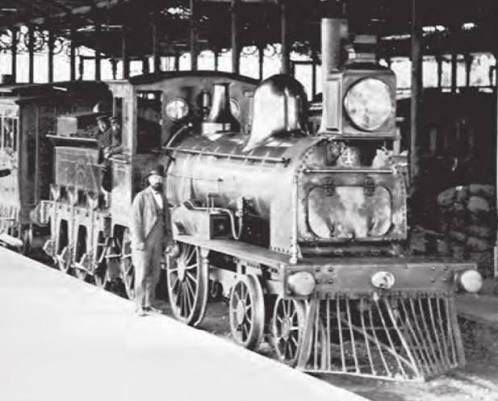
British engineers were instrumental in building much of Chile's railway network during the nineteenth century.
Railways connected:
- Santiago
- Valparaíso
- Concepción
- Southern agricultural regions
- Northern mining districts
These rail lines transformed commerce by making it easier to transport copper, coal, wheat, wine, and other products to ports for export.
Many locomotives, railway equipment, and engineering expertise were imported directly from Britain.
The Mining Industry
English-speaking immigrants also played an important role in Chile's mining sector.
Coal Mining
In Lota and Coronel, British engineers introduced modern mining techniques that improved productivity and safety.
Industrial equipment imported from Britain helped transform southern Chile into one of South America's leading coal-producing regions during the nineteenth century.
Nitrate Industry
Northern Chile experienced an economic boom driven by nitrate exports.
British investors financed many nitrate companies, while engineers and managers oversaw operations in the Atacama Desert.
These exports supplied fertilizer and industrial chemicals to markets around the world.
Copper Mining
British and later American investment contributed to the modernization of Chile's copper industry, laying the foundations for what would become one of the country's most important economic sectors.
British Architecture in Chile
British architectural influence can still be admired throughout Chile.
Examples include:
- Victorian homes in Valparaíso
- Elegant mansions in Santiago
- Historic railway stations
- Anglican churches
- Clubhouses
- Commercial buildings
Many buildings combine European architectural styles with local construction materials and Chile's unique geography.
Education and Schools
British immigrants founded several prestigious schools that continue to operate today.
These institutions introduced educational traditions that emphasized:
- Academic excellence
- English-language instruction
- Sports
- Music
- Science
- International perspectives
Many generations of Chilean leaders, entrepreneurs, and professionals have studied in schools with British educational roots.
The Introduction of Football
One of the most visible British legacies is football (soccer).
British sailors, railway workers, and merchants introduced the sport to Chile during the late nineteenth century.
The first football clubs were founded in Valparaíso, where British residents organized friendly matches and competitions.
Today, football is Chile's most popular sport, and its origins are closely connected with the British community.
Other sports introduced or popularized by English-speaking immigrants include:
- Rugby
- Cricket
- Golf
- Horse racing
- Tennis
- Rowing
American Influence in Chile
Immigration from the United States increased during the twentieth century.
Americans became active in:
- Copper mining
- Higher education
- Scientific research
- Agriculture
- Technology
- Diplomacy
- Business
Several American universities established academic partnerships with Chilean institutions, contributing to scientific exchange and innovation.
Canadians in Chile
Canadian involvement has been especially important in the modern mining industry.
Canadian companies have invested in:
- Copper
- Gold
- Silver
- Lithium
- Renewable energy
Canadian engineers, geologists, and environmental specialists continue to contribute to Chile's resource sector.
Australians and New Zealanders
Although their numbers have always been relatively small, Australians and New Zealanders have contributed to:
- Sheep farming in Patagonia
- Mining
- Tourism
- Outdoor recreation
- Environmental conservation
Shared experiences in ranching and remote landscapes created natural connections between Patagonia and Australia.
English-Speaking Communities Today
Modern English-speaking residents in Chile include:
- Business professionals
- Teachers
- University researchers
- Engineers
- Entrepreneurs
- Diplomats
- Retirees
- Digital nomads
The largest communities are found in:
- Santiago
- Valparaíso
- Viña del Mar
- Concepción
- La Serena
- Antofagasta
- Puerto Varas
English-language churches, schools, cultural associations, and chambers of commerce continue to support these communities.
Exploring British Heritage in Chile
Travelers interested in British history can visit many fascinating sites.
Valparaíso
- Historic British neighborhoods
- Anglican churches
- Victorian architecture
- Historic cemeteries
- Port heritage
Lota
- Former coal mines
- Industrial heritage
- British engineering history
Santiago
- Historic schools
- Business districts
- British-inspired architecture
Northern Chile
- Former nitrate towns
- Railway infrastructure
- Mining heritage
These destinations illustrate how immigration and international cooperation helped shape modern Chile.
The Legacy of English-Speaking Immigrants
The influence of English-speaking immigrants extends far beyond historic buildings.
Their contributions helped modernize:
- Commerce
- Banking
- Mining
- Railways
- Shipping
- Education
- Engineering
- Sports
- International trade
At the same time, these immigrant communities adapted to Chilean society, creating a cultural exchange that enriched both Chile and the newcomers.
Today, their legacy remains visible in everyday life, from football stadiums and bilingual schools to historic neighborhoods and industrial landmarks.
Frequently Asked Questions (FAQ)
Which English-speaking immigrants had the greatest influence in Chile?
The British community—including immigrants from England, Scotland, Wales, and Ireland—had the greatest historical influence, especially during the nineteenth century.
Why did British people settle in Chile?
Many were attracted by opportunities in international trade, mining, shipping, banking, engineering, and railway construction after Chile gained independence.
Where is British influence most visible in Chile?
Valparaíso is the city most strongly associated with British heritage, although British influence can also be seen in Santiago, Lota, Coronel, and former mining regions.
Did English-speaking immigrants introduce football to Chile?
Yes. British sailors, merchants, and workers introduced football to Chile in the late nineteenth century, particularly through the port city of Valparaíso.
Are there still English-speaking communities in Chile?
Yes. Modern English-speaking communities include expatriates from the United Kingdom, the United States, Canada, Australia, New Zealand, and many other countries, especially in Santiago, Valparaíso, and major economic centers.
Best Places to Discover English-Speaking Heritage in Chile
If you are interested in exploring this aspect of Chile's history, consider visiting:
- Valparaíso – Historic British neighborhoods, Anglican churches, Victorian architecture, and early football history.
- Lota and Coronel – Industrial heritage linked to British coal mining engineers.
- Santiago – Historic schools, business institutions, and elegant architecture influenced by British design.
- Humberstone and Santa Laura – UNESCO-listed nitrate towns that reflect the international mining economy of northern Chile.
- Patagonia – Historic estancias where British and other European ranching traditions influenced sheep farming.
These destinations offer a deeper understanding of how immigration contributed to Chile's development.
Add comment
Comments